


Cryptocurrency continues to evolve, offering new opportunities and challenges for investors around the world. Whether you’re new to crypto or expanding your portfolio, one thing remains constant, security is everything. In this guide, we’ll walk through how to buy, store, and secure cryptocurrency safely in 2025, with practical steps and expert-backed tips to help protect your digital assets.
Understanding Cryptocurrency and Why Security Matters
Cryptocurrency is a digital form of money built on blockchain technology, a decentralized network that records and verifies every transaction. This system removes the need for banks or intermediaries, but it also means you are fully responsible for your assets.
Once a crypto transaction is made, it cannot be reversed. That’s why learning how to store and secure cryptocurrency properly is just as important as learning how to buy it.
Step 1: How to Buy Cryptocurrency Safely
Before anything else, it’s crucial to start with the right exchange platform.

1. Choose a Reputable Exchange
Stick to regulated, well-known exchanges like Binance, Coinbase, Kraken, or Bitstamp. Always check their security measures, licensing, and reviews.
2. Enable Two-Factor Authentication (2FA)
Immediately activate 2FA once your account is created. It adds an extra layer of security by requiring a verification code in addition to your password.
3. Use a Strong and Unique Password
Avoid reusing passwords. Use a password manager or create a strong combination of letters, numbers, and symbols.
4. Avoid Phishing Links
Always type the exchange URL manually and never click on links from emails or social media messages claiming to offer promotions or giveaways.
Step 2: How to Store Cryptocurrency Safely
Once you’ve purchased crypto, storing it securely becomes the next priority. There are two main types of wallets, hot wallets and cold wallets.
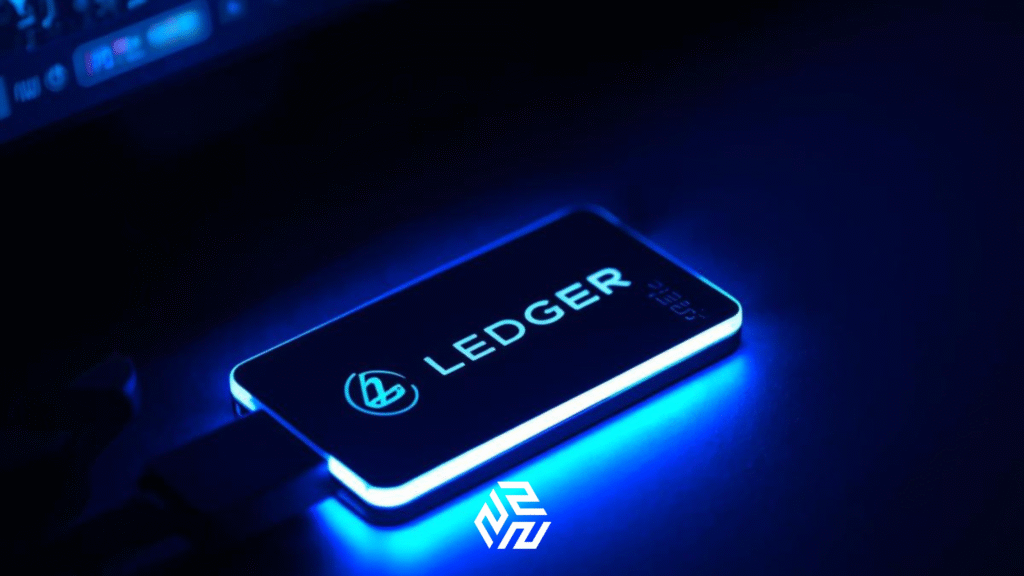
Hot Wallets (Online Wallets)
These are connected to the internet and include mobile apps or web wallets. They’re convenient for quick access but are more vulnerable to hacks.
Examples: MetaMask, Trust Wallet, Coinbase Wallet
Cold Wallets (Offline Wallets)
Cold wallets are hardware or paper wallets that keep your crypto offline, making them nearly impossible to hack.
Examples: Ledger Nano X, Trezor Model T
Pro Tip:
For long-term holders, a cold wallet is the safest choice. Use hot wallets only for smaller, daily transactions.
Step 3: How to Secure Cryptocurrency Like a Pro

1. Backup Your Wallet
Always write down your seed phrase (recovery phrase) on paper, not on your phone or computer. Store it in a secure, private location.
2. Avoid Public Wi-Fi
When managing your crypto, never use public or shared Wi-Fi networks. Use a VPN if possible to encrypt your connection.
3. Keep Software Updated
Regularly update your wallet and antivirus software to protect against new vulnerabilities.
4. Be Wary of Scams
Scammers often impersonate crypto exchanges or support teams. Remember, no legitimate service will ever ask for your private keys.
Best Practices for Crypto Safety in 2025
As the crypto landscape grows, so do threats. In 2025, staying ahead means combining knowledge, vigilance, and technology.
- Diversify storage methods. Keep some assets in cold wallets and others in reputable exchanges.
- Stay informed. Follow trusted crypto news sites and security updates.
Educate yourself continuously. The blockchain world evolves fast, and so do hacking techniques.
Conclusion
Learning how to buy, store, and secure cryptocurrency safely in 2025 is the foundation of becoming a smart investor. With the right tools, awareness, and habits, you can enjoy the benefits of digital assets without falling victim to common risks.
Remember: in crypto, you are your own bank, and that means protecting your funds starts with you.